Toolbar items

Back to site
Manage

Administration menu

  • Tools
FlexSlider Examples

FlexSlider examples menu

Anonymous

User account actions

  • Log in
Home
Logo RAS Mobile version

Contact us

Support usMy Account Created with Sketch.

Main navigation

  • Home
  • News & Press
    • Latest News
    • Research Highlights
    • Media Enquiries
  • Journals
    • Monthly Notices of the RAS (MNRAS)
    • Geophysical Journal International (GJI)
    • RAS Techniques & Instruments (RASTI)
    • Editorial Boards & Team
    • Editorial Policies
    • Advancing Astronomy & Geophysics
  • Events
    • RAS Meetings
    • External Meetings
    • Public Lectures & Events
    • Friends of the RAS Events
    • Past Events
  • Library
    • Visiting & Using the Library
    • Library Services
    • Archives
    • Other Collections
    • Help with your Research
    • Treasures from the Library & Archives
    • Obituaries
  • Awards & Grants
    • Fellowships
    • Awards, Medals and Prizes
    • Grants for Studies in Astronomy and Geophysics
  • Education & Outreach
    • Podcast
    • Education
    • Outreach
    • Careers
    • RAS200
    • Resources
    • Early Careers
  • About the RAS
    • Bicentenary
    • Burlington House
    • Bye-laws
    • Committees
    • Contacts
    • Council
    • Diversity
    • Sustainability
  • A&G
    • Latest A&G Articles
    • Contact A&G Editor
  • Membership
    • Fellows Membership
    • Friends of the RAS
  • Public Policy
    • Science Policy
    • Impact & Industry
    • Community & Demographics
    • Consultative Forums
  • Timeline
  • NAM 2026
Logo
  • Home
  • News & Press
    • Latest News
    • Research Highlights
    • Media Enquiries
  • Journals
    • Monthly Notices of the RAS (MNRAS)
    • Geophysical Journal International (GJI)
    • RAS Techniques & Instruments (RASTI)
    • Editorial Boards & Team
    • Editorial Policies
    • Advancing Astronomy & Geophysics
  • Events
    • RAS Meetings
    • External Meetings
    • Public Lectures & Events
    • Friends of the RAS Events
    • Past Events
  • Library
    • Visiting & Using the Library
    • Library Services
    • Archives
    • Other Collections
    • Help with your Research
    • Treasures from the Library & Archives
    • Obituaries
  • Awards & Grants
    • Fellowships
    • Awards, Medals and Prizes
    • Grants for Studies in Astronomy and Geophysics
  • Education & Outreach
    • Podcast
    • Education
    • Outreach
    • Careers
    • RAS200
    • Resources
    • Early Careers
  • About the RAS
    • Bicentenary
    • Burlington House
    • Bye-laws
    • Committees
    • Contacts
    • Council
    • Diversity
    • Sustainability
  • A&G
  • Membership
    • Fellows Membership
    • Friends of the RAS
  • Public Policy
    • Science Policy
    • Impact & Industry
    • Community & Demographics
    • Consultative Forums
  • Timeline
  • NAM 2026
The European Space Agency
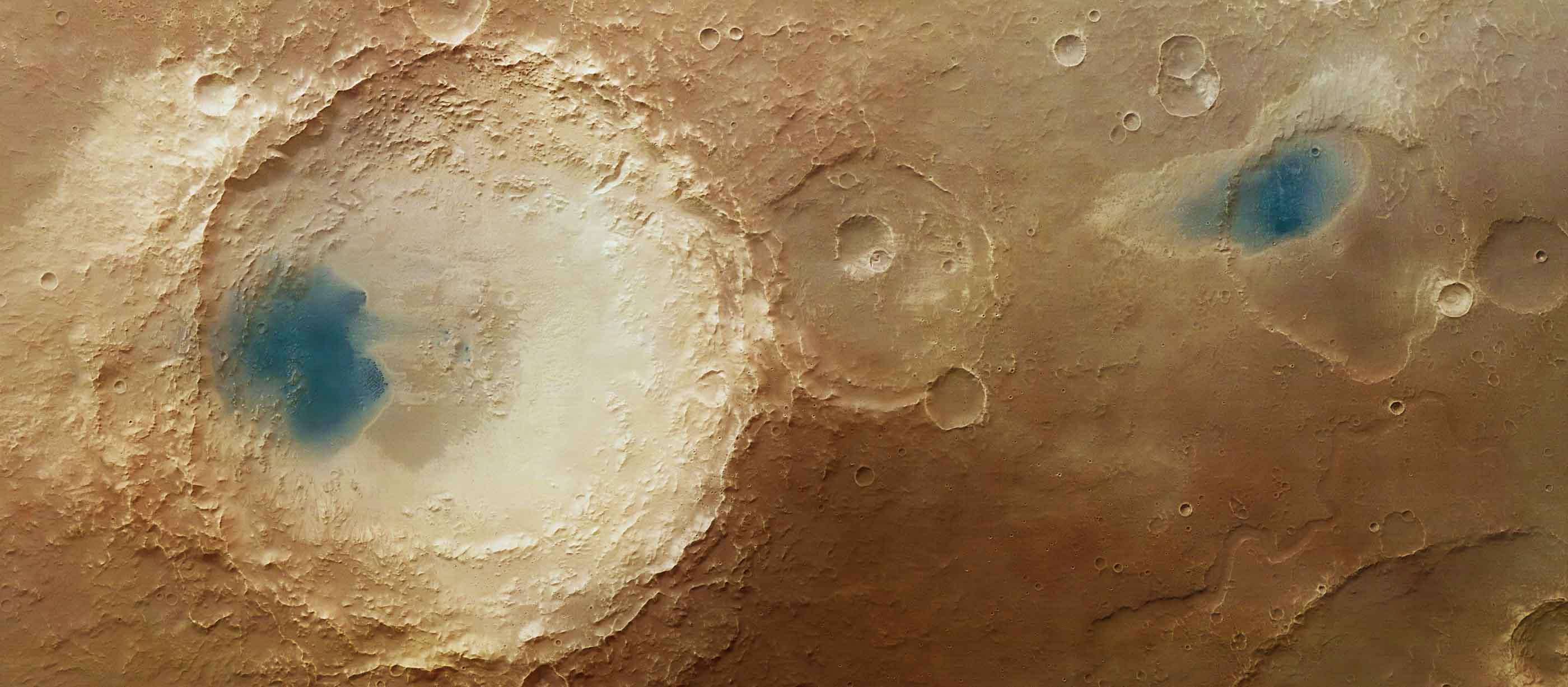
Crater Generations ArabiaTerra
Daisaburo Kido, of the University of Tokyo.
News

2026 MNRAS Student Author Prize winner announced

Monthly Notices of the Royal Astronomical Society (MNRAS) is delighted to announce the winner of the 2026 MNRAS Student Prize. The annual prize recognises papers that, in the view of the MNRAS Editorial Board, are the best...
ALMA's DV-59 antenna in the foreground with multiple other antennas observing the sky in a night dominated by the Moon.
Research Highlights

Could alien signals be hiding on a different radio channel?

A global photography competition called RAStroPhoto is being launched to celebrate the 200th anniversary of Monthly Notices of the Royal Astronomical Society (MNRAS).
News

RAStroPhoto competition launched to mark MNRAS bicentenary

Read More
Aurora borealis seen over Cwmbran, Wales, produced by the May 2024 solar storm. 
NAM 2026: Most powerful Northern Lights in a generation 'exposed weaknesses in UK infrastructure'
Research Highlights
From left, Professor Joe Silk, Dr Jonathan McDowell, Professor Martin Ward, Dr Nikita Chiu and Dr Manuel Salvoldi.
NAM 2026 Debate: Should the far side of the Moon be reserved for science?
News
Image from HST showing the bipolar outflow of material ejected by the helium nova V445 Puppis. The progenitor binary star system is just about visible in the centre of the outflow. Also visible are the 'bullets' of gas that were shot out at either end of the outflow. Image taken in 2013 with the F502N filter on Hubble’s Wide Field Camera 3.
NAM 2026: Mystery 'bullets' seen in Milky Way's only helium nova
Research Highlights
Halo 18 is an example of a galaxy that had a head-on collision (see the panel at z=1.2) and had a disc flip (you can see this by comparing the disc orientation at z=1.4 and z=0). This image and Image 2 show how these two exemplary galaxies evolve with time: each panel corresponds to a different time defined by redshift (z). Redshift is a quantity used by astronomers to measure the time in the universe, with z=0 corresponding to the present day, and larger z corresponding to earlier times. Each z has two pan
NAM 2026: How our Milky Way once underwent a dramatic flip
Research Highlights
Comparison of Mars before (left) and during (right) the June 2018 dust storm, which coincided with the solar energetic particle event examined by the Lancaster University team. Images taken by the Mars Color Imager (MARCI), a wide-angle camera aboard NASA's Mars Reconnaissance Orbiter (MRO), that maps daily weather conditions across the planet.
NAM 2026: Solar storms 'may alter Martian weather during dust storms'
Research Highlights
The front cover of The Sun as a Star, an online collection of papers celebrating our growing understanding of the Sun over the past two centuries.
New online collection celebrates growing understanding of our Sun
News

Research Highlights

ALMA's DV-59 antenna in the foreground with multiple other antennas observing the sky in a night dominated by the Moon.
Research Highlights
Could alien signals be hiding on a different radio channel?
Aurora borealis seen over Cwmbran, Wales, produced by the May 2024 solar storm. 
Research Highlights
NAM 2026: Most powerful Northern Lights in a generation 'exposed weaknesses in UK infrastructure'
Image from HST showing the bipolar outflow of material ejected by the helium nova V445 Puppis. The progenitor binary star system is just about visible in the centre of the outflow. Also visible are the 'bullets' of gas that were shot out at either end of the outflow. Image taken in 2013 with the F502N filter on Hubble’s Wide Field Camera 3.
Research Highlights
NAM 2026: Mystery 'bullets' seen in Milky Way's only helium nova
Halo 18 is an example of a galaxy that had a head-on collision (see the panel at z=1.2) and had a disc flip (you can see this by comparing the disc orientation at z=1.4 and z=0). This image and Image 2 show how these two exemplary galaxies evolve with time: each panel corresponds to a different time defined by redshift (z). Redshift is a quantity used by astronomers to measure the time in the universe, with z=0 corresponding to the present day, and larger z corresponding to earlier times. Each z has two pan
Research Highlights
NAM 2026: How our Milky Way once underwent a dramatic flip
View all

Media Enquiries

‌  020 7292 3979

‌  press@ras.ac.uk

‌  About the RAS press office...

View all

Registered Charity No: 226545
Registered Company
No: RC000446

Useful links

  • Contact
  • Diversity
  • Anonymous Reporting
  • Feedback form
  • Privacy Policy
  • Report Links

RAS

  • About the RAS
  • Awards & Grants
  • Events
  • Journals
  • Library
  • News & Press
  • Public Policy

Membership

  • Become a Fellow
  • Current Fellows
  • Friends of the RAS

Follow us:

Copyright © 2024 Royal Astronomical Society. All Rights Reserved.